How to maintain production continuity in an industrial plant?
Ensuring production continuity in industry is arguably the most critical aspect of managing a manufacturing facility. Every downtime event is tied to tangible financial losses, often exceeding hundreds of thousands of euros, and carries the risk of dissatisfied customers. For industrial companies, production continuity means the ability to fulfill orders without interruption - regardless of operational issues, machine failures, or energy supply disruptions.
More
SCADA – what is it and how does it support energy efficiency?
SCADA (Supervisory Control and Data Acquisition) is one of the essential tools in modern industry and energy management. This system enables remote supervision of technological processes, real-time data collection, and decision-making based on analyzed information. With SCADA, manufacturing plants, power grids, or water supply systems can operate more reliably, efficiently, and safely. Importantly, SCADA is increasingly being used to support energy efficiency goals.
More
Off-grid – own energy sources
Off-grid energy sources operating in an off-grid or island configuration are gaining popularity as a solution for facilities striving for energy independence and power security. They enable continuous operation even in the event of a power outage, and thanks to the diversification of power sources, they offer partial independence from fluctuating grid prices. Although implementing an off-grid system requires careful planning and analysis of energy needs, in the long term it translates into greater stability, control over energy consumption, and resilience to external disruptions.
More
Where to obtain funding to implement actions recommended in a company energy audit?
Energy audits for enterprises are a legal obligation for large companies and will soon also apply to small and medium enterprises. However, an audit is primarily a tool that identifies the potential for improving energy efficiency. It should include specific technical and organizational measures that can reduce energy consumption, lower emissions, and deliver tangible economic benefits. The process does not end there – implementing the recommended solutions is equally important, and this can be costly and complex. Even if a company has sufficient internal budget for energy-saving investments, additional funding is always welcome.
More
How to effectively manage reactive energy?
Reactive energy is a form of electrical energy that does not perform useful work but is essential for the operation of industrial equipment and maintaining the electromagnetic field in AC circuits. This energy is not consumed in the classic sense – it is not converted into heat, light, or motion – but rather "circulates" between the grid and devices, burdening the power infrastructure. This concept is often underestimated but, in fact, impacts operating costs, installation efficiency, and power system reliability. Proper reactive energy management not only avoids additional charges but also increases the efficiency of the entire electrical infrastructure.
More
How is an on-site inspection conducted as part of an audit?
A site visit is one of the most important stages of an energy audit at an industrial facility. During a direct visit to the facility, auditors can become familiar with the actual production processes, installations, and energy management. Without it, it is difficult to accurately assess the potential for energy efficiency improvement. In this article, we will explain exactly what a site visit is, how it is conducted, who should participate, and what elements are analyzed during it. We will draw on experience from over 1,500 audits conducted at manufacturing facilities – both as part of company energy audits and walk-through audits.
More
Zero-emission strategies in industrial plants – how to effectively plan and implement them?
Industrial plants, which account for a significant portion of greenhouse gas emissions in Europe, are increasingly faced with the need to develop zero-emission strategies that will allow them to reduce their carbon footprint, increase energy efficiency, and remain competitive. Implementing net zero is a multi-year process that requires a reliable emissions audit, a realistic, data-driven action plan, the selection of appropriate technologies, and continuous monitoring of progress. We explain what a zero-emission strategy is, its stages, and the technologies and tools required for successful implementation.
More
Predictive drive diagnostics
Production continuity, process safety, and energy efficiency in industrial plants depend on reliable drives and their performance. More and more companies are therefore turning to modern drive diagnostics, which, when properly implemented, can not only prevent failures but also significantly reduce energy consumption. As part of our work, the DB Energy team performs diagnostics and measurements that support the analysis of failures, damage, and the energy efficiency of drive systems. Let's take a closer look at diagnostic systems and how they are used in practice.
More
Heat pumps in industry – how do they work and where are they used?
Heat pumps are becoming increasingly popular not only in residential buildings but also in the industrial sector. Their growing popularity stems from the need to reduce energy costs, improve energy efficiency, and reduce CO₂ emissions. A heat pump generates potentially high-performance heat using low-performance heat from a ground source, using electricity. It extracts heat from the environment – such as the ground, air, water, or waste heat – and raises its temperature using the thermodynamic work of a gas, which is compressed using an electric compressor and then transferred to the heat exchangers of a heating or process system.
More
EcoVadis for an industrial company – what is it, how does it work and how to get a medal?
EcoVadis is one of the most important international systems for assessing the sustainable development of enterprises. More and more companies from the B2B sector treat the result of the EcoVadis assessment as an important criterion for selecting suppliers and business partners. It is currently one of the most recognizable tools for assessing companies in the field of ESG. Obtaining a medal is not only prestigious, but above all a practical confirmation that the company operates in a responsible and modern manner. For many organizations, it is the key to winning new contracts, building a reputation, and ensuring long-term competitiveness. In this article, we explain what EcoVadis is, who can receive the distinction, what its types are, how to prepare for the assessment, and what benefits and challenges are associated with it.
More
Carbon capture technologies
One of the solutions supporting the global process of reducing emissions is carbon dioxide (CO₂) capture technologies, which are gaining importance in many energy-intensive industries. Although their implementation is currently associated with high costs and technical challenges, they have huge potential, especially in sectors where emissions cannot be eliminated in any other way. With the development of technology and support from climate policies, their role in industry will increase. What are CO₂ capture technologies, how do they work, and is it profitable to implement them in industrial plants?
More
Biogas plants – how do they work and where to use them?
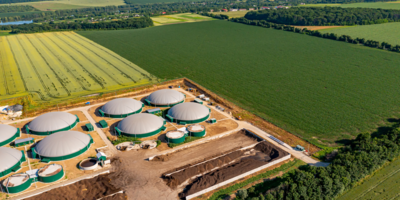
A biogas plant is a modern, environmentally friendly energy solution that fits into the goals of sustainable development and a closed-loop economy. In combination with biogas cogeneration, biogas plants become an efficient source of energy for industry and agriculture, especially where there is access to organic substrates and local demand for heat. These modern facilities enable not only the management of organic waste but also an effective and climate-neutral way to generate, for example, heat or electricity using cogeneration. Let's take a look at how biogas plants work and where they can be used in a profitable way.
More
Emissions offsetting in industry – an effective solution or a pretense of ecology?
For years, Polish and European industry has been facing the major challenge of reducing greenhouse gas emissions – the prospect of new, increasingly stringent regulations and programs requires urgent action towards decarbonization. Where emissions cannot be completely eliminated, the so-called emission offsetting is increasingly being discussed. What exactly is emission offsetting? What are its methods, advantages, and limitations? And is it really an effective tool in the fight against climate change, or rather a form of greenwashing? We will try to answer these questions, paying particular attention to the context of industrial and energy-intensive companies.
More
Heat recovery from exhaust gases – how does it work and when is it profitable?
Heat recovery is one of the solutions that significantly improve energy efficiency. Heat can be recovered from many places – in this article, we will focus in particular on heat from exhaust gases. Exhaust gases, which are normally lost, contain a significant amount of heat energy that can be reused, reducing fuel consumption and operating costs. High-temperature exhaust gases enable the generation of electricity, while at lower temperatures it is possible to use the heat to heat water or air. Let's look at the different technologies and possibilities in the context of heat recovery from exhaust gases.
More
Are electric cars more environmentally friendly than combustion cars?
Electric cars are gaining popularity as an ecological alternative to combustion vehicles. Their growing presence on the roads is due to the desire to reduce greenhouse gas emissions and the search for more sustainable transport solutions. Electric cars are often presented as an ecological alternative to combustion vehicles, but their actual impact on the environment depends on many factors. In countries where electricity comes mainly from renewable sources, they can indeed contribute to reducing CO₂ emissions. However, in Poland, where a significant part of electricity still comes from coal, their environmental friendliness is a matter of debate. Additionally, the production and disposal of batteries generate a significant burden on the environment.
More
What is Fit for 55 and how does it affect Polish industry?
Fit for 55 is a package of European Union regulations aimed at reducing greenhouse gas emissions by at least 55% by 2030 compared to 1990 levels. It is a key element of the European Green Deal, which aims to achieve climate neutrality by 2050. Fit for 55 includes changes to regulations on emissions trading, energy efficiency, renewable energy sources, and transport, as well as the introduction of new aid mechanisms and financial support programs within the European Union.
More
How does photovoltaics work, and is it worth installing?
Photovoltaics is one of the most common renewable energy technologies, gaining popularity in recent years, especially among individual users. Its negative reputation stems from the sales model of some companies, which relied on intrusive contact and aggressive persuasion to buy panels. Despite this association, it is worth considering photovoltaics and other renewable energy technologies. They represent the future of the industrial sector and many other areas of the economy. However, is photovoltaics still profitable, and does the use of photovoltaic panels make sense for large companies?
More
How to optimize cooling systems in industry?
Optimization of the cooling system in an industrial enterprise is one of the key factors that increase energy efficiency, reduce operating costs, and contribute to the company's sustainable development. Industrial cooling systems are widely used in various sectors, including food, chemical, energy, metallurgical, and pharmaceutical industries, where temperature control is crucial for product quality, process safety, and compliance with environmental standards.
More
The future of fossil fuels in Poland and Europe
Fossil fuels have played a key role in the development of the European and global economy, but their time is probably coming to an end. Rising emission costs, aging infrastructure, and the global decarbonization trend indicate that further long-term investment in emission-intensive energy sources is not a profitable direction. Allocating funds for the green transformation is not only a way to avoid the risks associated with fossil fuels but also an opportunity to build a modern, sustainable economy based on innovation and clean energy. Particularly in Poland, balancing the transformation will be crucial to reconciling climate goals with the needs of industry and society.
More
What you need to know about SMRs – small modular reactors
Small modular reactors (SMRs) are among the most modern solutions in nuclear energy, attracting increasing global interest. Amid the global energy transition and efforts to reduce carbon dioxide emissions, SMRs offer unique possibilities for flexible, safe, and efficient energy generation. In this article, we will examine what SMRs are, their advantages and disadvantages, where they can be used, the costs associated with their construction, and the permits required for their implementation.
More
EU ETS - Emissions Trading System in the European Union
The European Emissions Trading System (EU ETS) is one of the most important tools of the European Union's climate policy, aimed at gradually reducing greenhouse gas emissions. Promoting innovation and cost efficiency, which go hand in hand with this system, makes the EU ETS one of the most important elements of the strategy to combat climate change. For Polish companies, especially those in energy-intensive industries, the EU ETS is both a challenge and an opportunity for development toward sustainable growth and pro-ecological innovation.
More
How to effectively control electric drives?
Electric drives are among the most important elements of modern industrial plants. They account for as much as 70% of the total electricity consumption in the production sector. A key aspect of their effective operation is controlling systems that optimize the operating parameters of motors and entire drive systems. Implementing modern solutions in this field enables significant energy savings, improved process quality, and increased reliability. This article explains what electric drive control systems are, their uses in industry, their benefits and limitations, and how they can effectively support the optimization of production processes.
More
Industrial energy trends for 2025
In 2025, the industrial sector will witness many changes that will shape the entire industry, both nationally and internationally. The growing importance of renewable energy sources, the simultaneous phasing out of many technologies, as well as the return to a fossil-based raw material policy in the US, the development of energy storage, hydrogen technologies, artificial intelligence, and smart energy grids are just some of the trends that will shape the future of industrial energy.
More
Typical payback periods for energy-saving technologies – an overview of solutions for the industry
Investments in energy efficiency technologies such as cogeneration, heat pumps, compressed air production management systems, photovoltaics, LED lighting, and energy-saving electric drives offer a range of benefits. These include reduced operating costs, improved power supply reliability, and decreased CO2 emissions. Typical payback periods range from 2 to 5 years, making these technologies profitable in both the short and long term. The decision on the appropriate solution should follow a detailed analysis of the company’s needs, a service provided by DB Energy as part of its energy audits. While the final choice depends on specific requirements and conditions, one thing is clear: investments in energy efficiency are always beneficial. Let’s explore key solutions used by manufacturing companies and their typical payback periods.
More
Impact of environmental regulations on the activities of industrial companies
The green transformation, which is the foundation of EU climate strategies, is not just a loud slogan - it is a broad set of regulations and projects that will have a strong impact on Polish and foreign companies in the coming years. Regulations such as the European Green Deal, Fit for 55, or the EU ETS system compel companies to implement solutions that reduce CO₂ emissions, improve energy efficiency, and increase the share of renewable energy sources.
More
Green hydrogen – the future of energy
The growing pressure to reduce greenhouse gas emissions is forcing Polish and European industries to seek new, more ecological solutions. Among them, hydrogen holds a key place – a technology with the potential to revolutionize both the energy and industrial sectors. What exactly is green hydrogen, how is it produced, and what are the benefits and challenges of its implementation? This issue is addressed by Dr. Piotr Danielski, Technical Director at DB Energy.
More
Smart Grids - characteristics and methods of use
Intelligent energy networks, known as Smart Grids, provide the possibility of more effective management of energy consumption by combining traditional networks with innovative diagnostic systems. These technologies introduce revolutionary changes in how energy consumption is transmitted and monitored, offering numerous benefits for industry and the environment. How do smart energy networks work, where are they used, and what challenges do they present?
More
How to obtain funds from the Polish National Recovery Plan (KPO)?
The National Recovery Plan (KPO) is a strategic document that plays a key role in rebuilding the Polish economy after the COVID-19 pandemic, focusing on modernization towards green transformation, digitalization, and innovation. The program, financed mainly from EU funds, offers a significant opportunity for Polish entrepreneurs, especially those operating in the industrial sector, to invest in energy efficiency, renewable energy sources, digitalization, and innovative technologies. Find out how to obtain funds from the KPO, what its budget and application assessment criteria are, and who has the best chance of receiving support.
More
Can the President of URE refuse to issue white certificates?
Entrepreneurs planning investments to improve energy efficiency often wonder whether, despite their implementation, the President of the Energy Regulatory Office may refuse to issue energy efficiency certificates (so-called "white certificates"). In other words, when investing, often considerable amounts in a given energy-saving project, does the entrepreneur have a guarantee of obtaining white certificates, which they will then be able to sell on the Polish Power Exchange? These concerns are justified because, unfortunately, in practice, there may be situations in which the President of the Energy Regulatory Office refuses to grant white certificates.
More
Energy efficiency audit vs. corporate energy audit
Energy audits are essential for companies seeking to increase energy efficiency, especially in sectors with high energy consumption. For industrial companies that use significant amounts of energy, these audits not only enable savings but also serve as a tool to obtain various forms of financial support, such as energy efficiency certificates, commonly known as white certificates. In this article, we will compare the energy efficiency audit and the corporate energy audit, highlighting their main differences and importance.
More
Reactive energy – what is it and how to solve the problem of its consumption
In large enterprises, where every kilowatt-hour of energy is valuable, energy efficiency management is one of the most important activities in achieving sustainable development and competitive advantage, especially in energy-intensive industries. One of the most significant, although often underestimated, aspects is reactive energy. Understanding this concept and effectively managing it can bring significant financial and operational benefits to industrial companies.
More
Heat Recovery Technologies
Many technological processes in industrial companies generate large amounts of waste heat, which, instead of being lost, can be recovered and reused. Heat recovery not only contributes to reducing energy costs but also significantly lowers CO₂ emissions and improves the energy balance of plants. It is particularly beneficial for companies involved in drying, cooking, casting, high-temperature chemical processes, or using furnaces, compressors, boilers, or pasteurizers.
More
PPA and cPPA: key to energy efficiency and emission reduction
Companies around the world are facing the consequences of fluctuating energy prices. These fluctuations increase operating costs, make long-term planning more difficult, and reduce competitiveness in the market. One solution that can help address these challenges is power purchase agreements, known as PPAs (Power Purchase Agreements) and cPPAs (Corporate Power Purchase Agreements). In this article, we will provide a detailed explanation of what these agreements are, how they differ from each other, who can benefit from them, and what their advantages and disadvantages are.
More
What is cogeneration and why is it worth implementing in your company?
Cogeneration, also known as combined heat and power (CHP), is an effective solution that enables the simultaneous production of electricity and useful heat in a single process. This approach significantly increases energy efficiency in industrial companies, reduces CO2 emissions, and lowers operating costs. Let's explore its types, along with the most important advantages and disadvantages.
More
ISO 50001 Company Standard – Energy Management System
The ISO 50001 standard is primarily aimed at organizations with high energy consumption, such as companies in the industrial, development, or transport sectors, and regulates effective energy management. It translates into real savings and a reduction in greenhouse gas emissions. In this article, we will take a closer look at it, the requirements it places on companies, and the benefits it brings.
More
Lighting audit in industrial facilities
Increasing energy efficiency requirements and the need to comply with legal regulations mean that lighting audits in industrial facilities have become an important element of energy management strategies. In this article, we will look at the technical and specialist aspects of this process, such as legal regulations, audit scope, measurement methods, benefits and implementation of recommendations.
More